

Your voice matters
Do you receive your thalassaemia care in the UK?
If yes, we need to hear from you!
(For kids, teens, adults and parents/carers)

Resources & Publications
Publications, videos & information in different languages.
Find all UKTS publications, national clinical standards and other related information.

Magazines
Magazine archive.
Read this season’s magazine or peruse through our archive.
Working together to create a better world
Facts about thalassaemia.
Informational videos and stories from our members and their families about what life is really like with thalassaemia
Ambassador’s Programme
Spreading the word about the charity
We suggest a minimum of 3 hours per month and a minimum of a one year commitment to the role, due to our investment of time and resources in recruiting, training and supporting you as an Ambassador.
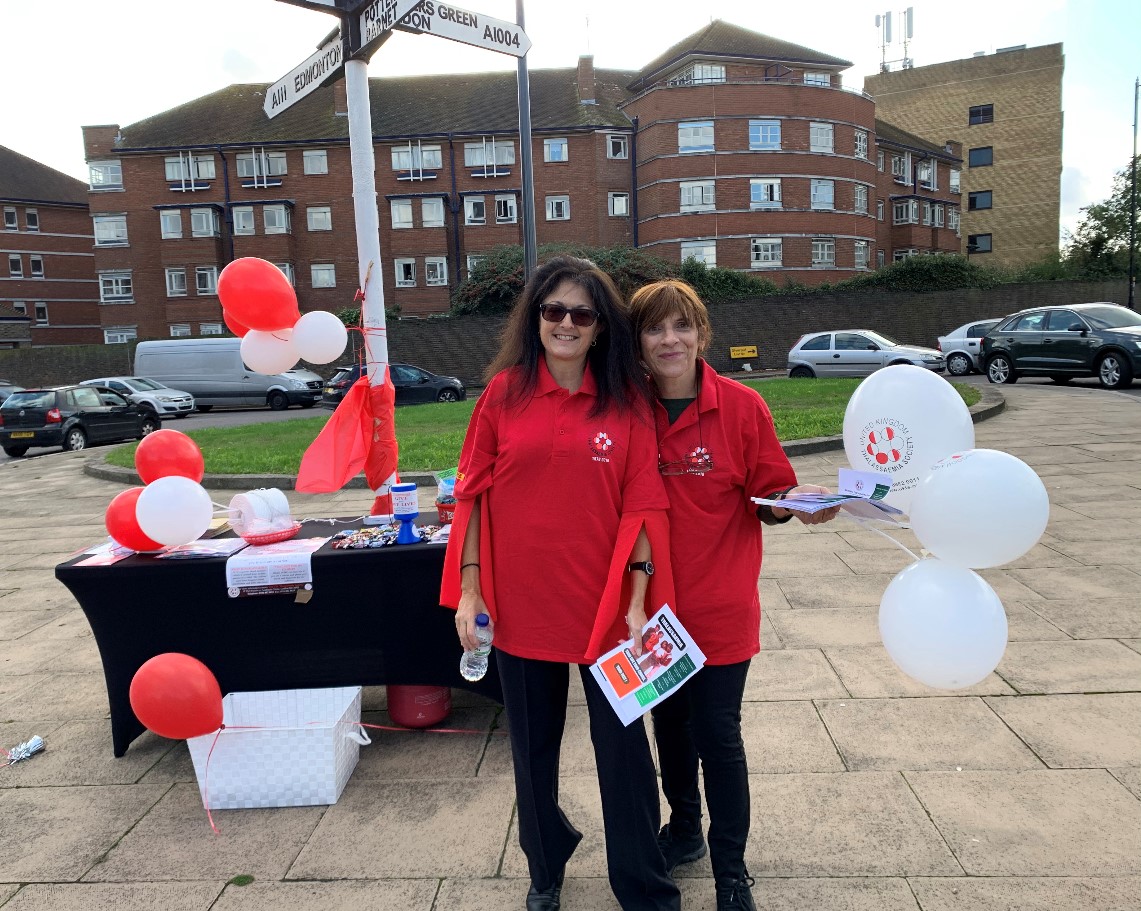
As an Ambassador, you will be part of a regionally based network, playing a key role in raising awareness of the UKTS within the wider community. This is a voluntary role which involves:
- Liaise with patients, families and groups in the area
- Organise local fundraising events
- Deliver engaging talks about the work of the charity
- Use social media to engage the community
Our Ambassadors work as part of a regionally based network and play a key role in raising awareness of our cause within the wider thalassaemia community and in leading regional support groups and fundraising initiatives.
Raising Awareness
Within the comunnity

Fundraising
Organise fundraising events
48+Years active
2310Patients
71Thalassaemia centres
2.5MInvested in Research
Our Causes
We need your help anytime anywhere
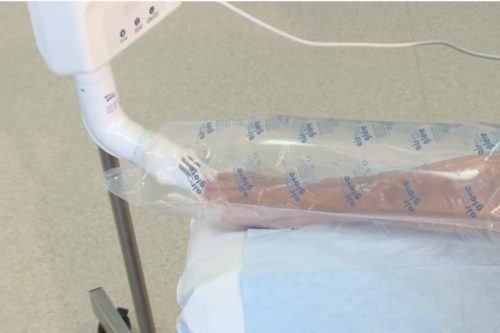
Vein finding equipment
Help us purchase the Airglove, enabling access to veins.

Research
Supporting cutting edge research into the treatment of thalassaemia.
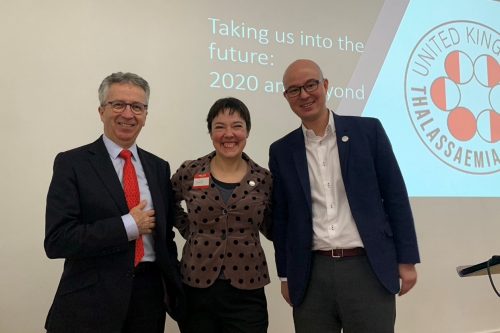
Education & Awareness
Educating patients, parents, health professional and stakeholders
Become a member and keep up to date with our Magazine & Events.